

Introduction
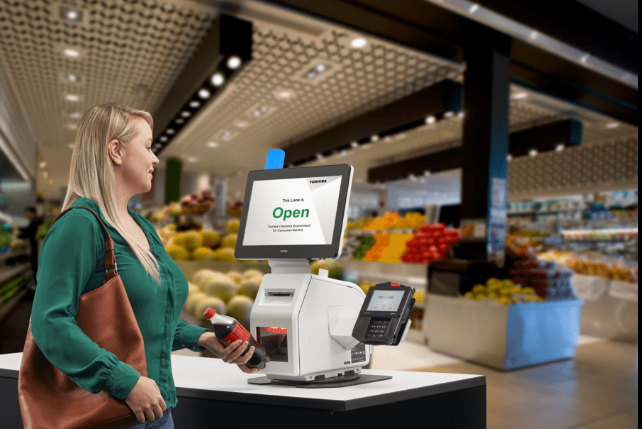
The retail landscape has experienced a significant transformation in recent years as technology continues to shape the way consumers shop. Among the most notable innovations is the widespread adoption of self-service checkout kiosks, which empower shoppers to complete transactions quickly and with minimal staff intervention. A self checkout system not only streamlines the purchasing process but also enables retailers to optimize their operations and allocate human resources more efficiently.
Driven by a collective desire for greater autonomy and faster transactions, self-service kiosks have become a staple in stores ranging from supermarkets to large retail chains. The push for contactless shopping experiences, accelerated by the COVID-19 pandemic, has further cemented kiosks as an essential component of modern retail. Early adopters have reported increased customer satisfaction, especially among tech-savvy demographics.
This evolution in the checkout process is not solely a matter of convenience; it represents a strategic initiative on the part of retailers to meet evolving consumer expectations while addressing operational challenges, such as labor shortages and rising labor costs. Despite the benefits, integrating kiosks into retail settings requires thoughtful consideration of factors such as security, usability, and staff training.
The development and adoption of self-checkout technology also coincides with significant shifts in overall retail strategy, where the focus is increasingly on blended digital-physical experiences that cater to a broader range of shopper preferences. As retailers experiment with various formats and technological enhancements, understanding customer feedback and adapting accordingly has become critical.
Rising Popularity Among Consumers
The appeal of self-checkout is undeniable for many shoppers. According to a study by NCR Voyix, 77% of respondents cited speed as the primary reason for choosing self-checkout options, highlighting their desire for frictionless shopping. This trend extends across different age groups but is particularly prominent among younger consumers who are accustomed to rapid digital interactions and minimal face-to-face transactions. The shift is also influenced by a growing comfort with touchscreens and digital payment solutions, making kiosks a natural extension of everyday technology use.
Consumer preference for kiosk-based checkout is likely to accelerate as more advanced and user-friendly systems become available. Retailers are responding to these preferences by expanding self-service availability not just in traditional grocery and retail stores but also in quick-service restaurants and convenience outlets. This widespread implementation aligns with larger shifts in consumer behavior toward greater control over their shopping journeys. For more on trends in modern retail technology, visit The New York Times.
Technological Advancements Enhancing Self-Checkout
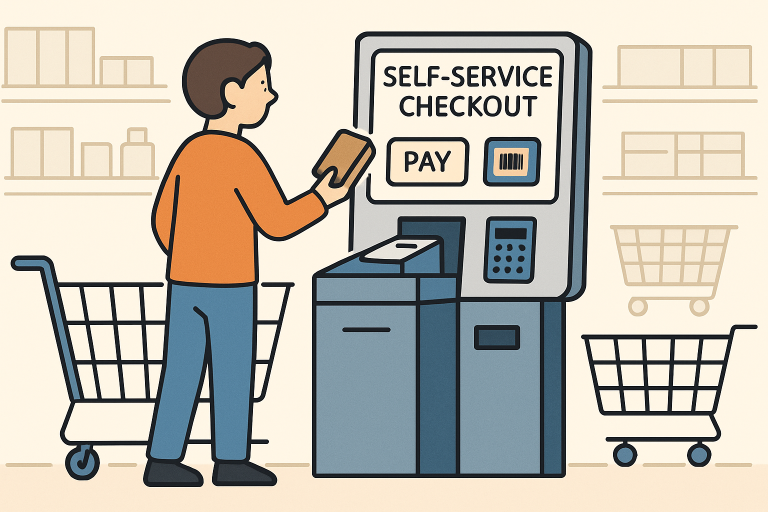
Advances in digital technology are rapidly upgrading the self-checkout experience. AI-powered computer vision, for instance, enables kiosks to automatically recognize multiple items, eliminating the need for manual barcode scanning. Systems like Mashgin’s utilize this technology to deliver speedy checkout experiences, with entire transactions completed in seconds. This not only improves speed but also reduces lines and wait times—a significant win for both customers and retailers.
- Biometric Authentication: With growing concerns about security and data privacy, retailers are increasingly incorporating biometric features, such as facial recognition and fingerprint scanning. These features improve not only the speed of the checkout process but also add an extra layer of security and potential for personalized services.
- Cloud-Based Management: Modern self-checkout kiosks utilize cloud connectivity, allowing retailers to update systems and monitor performance remotely. This reduces maintenance downtime and makes it easier to deploy software upgrades that introduce new features and strengthen security protocols.
The integration of mobile payment options, digital wallets, and contactless technologies has further broadened the appeal and accessibility of self-service checkout. As digital transformation accelerates, these enhancements will be key factors differentiating top-performing retailers in a competitive marketplace.
Challenges and Considerations
Despite their advantages, self-service checkout kiosks introduce a set of challenges that can’t be ignored. One of the most pressing concerns is loss prevention; the relative anonymity and autonomy of kiosks can create opportunities for theft and accidental non-scanning of items. Retailers have responded by implementing additional surveillance, audit algorithms, and enhanced staff oversight to monitor self-checkout stations better and intervene if suspicious activity is detected.
In addition to shrinkage, technical glitches or unfamiliar interfaces can frustrate customers, leading to cart abandonment or negative brand perceptions. Some shoppers also feel the lack of a personal touch, particularly when issues arise and immediate assistance is unavailable. Retailers are experimenting with enhanced customer support at kiosks, including roving staff and video assistance, to maintain a positive in-store experience. To read about broader challenges and industry shifts, explore this Forbes analysis.
Retailers’ Adaptation Strategies
Successful integration of self-service technology requires a thoughtful strategy that addresses both operational needs and customer expectations. Many retailers are now implementing hybrid checkout solutions, offering both traditional cashier lanes and self-service kiosks to cater to varying customer preferences and transaction complexities. This approach allows staff to focus on value-added roles while providing customers with the autonomy they desire.
Enhanced staff training programs are crucial, ensuring that associates are well-equipped to assist with kiosk troubleshooting and provide support in high-traffic periods. Investment in more robust and intuitive kiosk hardware and software reduces downtime and minimizes the potential for customer frustration. Moreover, clear signage and guided user experiences help new users navigate the technology comfortably, boosting overall satisfaction and adoption rates.
Future Outlook
The trajectory of self-service checkout technology points to even greater personalization and integration with omnichannel retail. As AI, machine learning, and IoT capabilities mature, we’ll likely see kiosks that respond dynamically to shopper preferences—offering tailored discounts, multilingual support, and seamless transitions between online and offline shopping. Sustainability considerations may also drive changes, such as the adoption of paperless receipts and energy-efficient kiosk designs.
Ongoing improvements in security, user accessibility, and customer support will define the success of self-service checkout in the years ahead. Retailers who continue to iterate on their approach—guided by real-world feedback and pragmatic technology investments—will be best positioned to deliver consistent, satisfying, and secure shopping experiences.
Conclusion
Self-service checkout kiosks have evolved from a niche retail experiment to an industry-standard expectation, offering agility, efficiency, and scalable convenience. By leveraging continued advances in technology and prioritizing customer experience, retailers can address challenges and shape the next generation of shopping environments, benefiting both their businesses and customers.